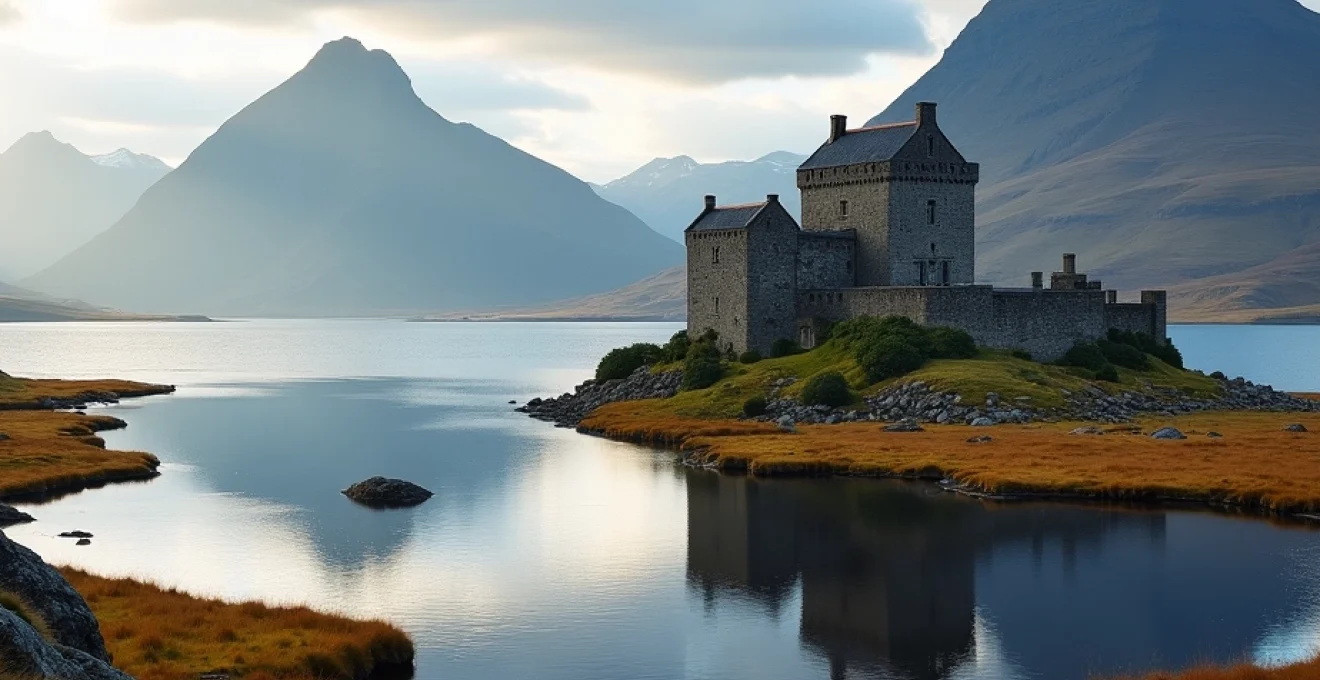
Scotland captivates visitors with its rugged landscapes, rich history, and vibrant culture. From ancient castles perched atop craggy cliffs to misty glens shrouded in legend, this land of tartan and whisky offers a truly enchanting experience. Whether you’re exploring bustling cities or remote islands, Scotland’s unique blend of tradition and innovation creates an unforgettable journey through time and terrain.
Iconic scottish castles: from edinburgh to eilean donan
Scotland’s castles stand as enduring symbols of the nation’s turbulent past and architectural grandeur. These formidable structures, once strongholds of clans and royalty, now serve as captivating windows into centuries of Scottish history. From towering fortresses to picturesque ruins, each castle tells a unique story of power, conflict, and cultural heritage.
Edinburgh castle: crown jewels and stone of destiny
Dominating the skyline of Scotland’s capital, Edinburgh Castle is an awe-inspiring sight that has witnessed countless historical events. Perched atop an extinct volcano, this iconic fortress offers panoramic views of the city below. Within its walls, visitors can marvel at the Scottish Crown Jewels , including the ancient Stone of Destiny, used in coronation ceremonies for centuries.
The castle’s Great Hall, with its impressive hammerbeam roof, transports you back to medieval banquets and royal gatherings. Don’t miss the daily firing of the One O’Clock Gun, a tradition dating back to 1861. As you explore the castle’s many attractions, you’ll gain a deeper appreciation for Scotland’s royal and military heritage.
Stirling castle: renaissance grandeur and unicorn tapestries
Stirling Castle, often referred to as the “Key to the Kingdom,” sits atop a volcanic crag overlooking the city of Stirling. This magnificent fortress played a crucial role in Scotland’s Wars of Independence and was a favoured residence of the Stuart monarchs. The castle’s Renaissance-era Royal Palace has been meticulously restored, offering visitors a glimpse into 16th-century royal life.
One of the highlights of Stirling Castle is the set of Unicorn Tapestries , exquisite reproductions of medieval artworks that adorn the Queen’s Inner Hall. These intricate weavings depict the mythical unicorn, Scotland’s national animal, in a series of allegorical scenes. As you wander through the castle’s grand halls and period-furnished chambers, you’ll feel transported to the height of Scotland’s Renaissance splendour.
Eilean donan: highland fortress on loch duich
Perched on a small tidal island where three sea lochs meet, Eilean Donan Castle is arguably Scotland’s most photographed castle. This 13th-century fortress, restored in the early 20th century, epitomises the romantic image of a Highland castle. Its strategic location made it a key defensive stronghold for centuries, particularly during the Jacobite risings.
Today, visitors can explore the castle’s atmospheric interiors, including the Banqueting Hall with its Jacobean ceiling and the Billeting Room showcasing fine period furniture. The surrounding landscape of mountains and lochs provides a breathtaking backdrop, making Eilean Donan a must-visit destination for anyone seeking to experience the essence of Highland Scotland.
Exploring the scottish highlands: glens, lochs, and munros
The Scottish Highlands offer a landscape of unparalleled beauty and drama. This vast wilderness, shaped by ancient glaciers and volcanic activity, encompasses towering mountains, deep glens, and mysterious lochs. For outdoor enthusiasts and nature lovers, the Highlands provide endless opportunities for adventure and exploration.
Glen coe: dramatic scenery and MacDonalds massacre site
Glen Coe, often described as Scotland’s most famous glen, is a place of haunting beauty and tragic history. The valley’s steep, craggy mountains create a sense of awe and isolation, particularly when shrouded in mist. This dramatic landscape was carved by glaciers and volcanic eruptions millions of years ago, resulting in iconic peaks such as the Three Sisters .
The glen is also infamous as the site of the 1692 Massacre of Glencoe, where members of the MacDonald clan were killed by government forces. Today, visitors can learn about this dark chapter in Scottish history at the Glencoe Visitor Centre while also enjoying numerous hiking trails that wind through this spectacular wilderness.
Loch ness: urquhart castle ruins and nessie folklore
Loch Ness, Scotland’s most famous loch, stretches for 23 miles through the Great Glen. While its depth and murky waters have fueled centuries of speculation about the legendary Loch Ness Monster, the area offers much more than just mythical creature hunting. The ruins of Urquhart Castle , dramatically situated on the loch’s western shore, provide a tangible link to Scotland’s medieval past.
Visitors can take boat trips on the loch, enjoying the stunning Highland scenery while keeping an eye out for any mysterious ripples. The Loch Ness Centre and Exhibition in Drumnadrochit offers a fascinating exploration of the loch’s natural history and the ongoing scientific investigations into the Nessie phenomenon.
Ben nevis: scaling britain’s highest peak
Standing at 1,345 metres (4,413 feet) above sea level, Ben Nevis is the highest mountain in the British Isles. This imposing peak, located near Fort William, attracts thousands of climbers each year seeking to conquer its summit. The most popular route, known as the Mountain Track , is a challenging but achievable ascent for reasonably fit hikers.
For more experienced mountaineers, the north face of Ben Nevis offers some of the UK’s most challenging rock and ice climbing routes. At the mountain’s base, the Ben Nevis Distillery provides a welcome opportunity to warm up with a dram of Highland single malt whisky after a day of adventure.
“The mountains are calling and I must go.” – John Muir, Scottish-American naturalist and advocate for wilderness preservation
Timeless charm of scottish cities and towns
While Scotland’s natural landscapes are undoubtedly breathtaking, its cities and towns offer a different kind of allure. From the medieval streets of Edinburgh to the vibrant cultural scene of Glasgow, urban Scotland showcases a fascinating blend of history and modernity.
Edinburgh’s royal mile: medieval old town to holyrood palace
The Royal Mile, stretching from Edinburgh Castle to Holyrood Palace, is the historic heart of Scotland’s capital. This cobbled thoroughfare is lined with towering tenements, atmospheric closes (narrow alleyways), and centuries-old landmarks. As you wander down the mile, you’ll encounter notable sites such as St Giles’ Cathedral with its distinctive crown spire and the thought-provoking Museum of Edinburgh .
At the eastern end of the Royal Mile stands Holyrood Palace , the official residence of the British monarch in Scotland. Visitors can tour the palace’s State Apartments, Mary Queen of Scots’ Chambers, and the ruins of Holyrood Abbey. The nearby Scottish Parliament building offers a striking contrast with its bold contemporary architecture, symbolizing Scotland’s evolving political landscape.
Glasgow’s west end: kelvingrove museum and botanic gardens
Glasgow, Scotland’s largest city, is renowned for its friendly inhabitants, vibrant cultural scene, and stunning architecture. The city’s West End is particularly charming, with its blend of Victorian and Edwardian buildings, trendy cafes, and green spaces. The Kelvingrove Art Gallery and Museum is a must-visit attraction, housing an eclectic collection of art and artifacts in a magnificent Baroque-style building.
Just a short walk from Kelvingrove, you’ll find the University of Glasgow , whose Gothic Revival architecture has earned it comparisons to Hogwarts. The nearby Glasgow Botanic Gardens offer a peaceful retreat, featuring beautiful glasshouses and a diverse array of plant species from around the world.
St andrews: ancient university and birthplace of golf
The coastal town of St Andrews, located in Fife, is steeped in history and tradition. Home to Scotland’s oldest university, founded in 1413, St Andrews boasts beautiful medieval architecture and scholarly atmosphere. The ruins of St Andrews Cathedral , once the largest church in Scotland, provide a haunting reminder of the town’s religious significance during the Middle Ages.
Of course, St Andrews is perhaps best known as the “Home of Golf.” The Old Course at St Andrews Links is considered the oldest golf course in the world and has hosted numerous Open Championships. Golf enthusiasts can visit the British Golf Museum to learn about the sport’s rich history or try their hand at one of the town’s many world-class courses.
Scottish island hopping: hebrides and orkney adventures
Scotland’s islands offer a unique opportunity to experience rugged landscapes, ancient history, and distinct local cultures. From the whisky-producing isles of the Inner Hebrides to the Neolithic wonders of Orkney, each island group has its own character and attractions.
Isle of skye: fairy pools and trotternish ridge
The Isle of Skye, the largest of the Inner Hebrides, is renowned for its dramatic landscapes and magical atmosphere. The Fairy Pools , a series of crystal-clear blue pools and waterfalls at the foot of the Black Cuillins, attract visitors with their otherworldly beauty. Brave souls can even take a dip in the refreshing (albeit chilly) waters.
The Trotternish Ridge , on the northernmost peninsula of Skye, showcases some of the island’s most iconic scenery. This area includes the Old Man of Storr , a distinctive rock pinnacle visible for miles around, and the Quiraing , a landslip that has created a dramatic landscape of cliffs, hidden plateaus, and pinnacles.
Orkney’s neolithic wonders: skara brae and ring of brodgar
The Orkney Islands, located off Scotland’s northeastern coast, boast a remarkable concentration of Neolithic sites. Skara Brae , a 5,000-year-old stone-built settlement, offers an unparalleled glimpse into prehistoric village life. Remarkably well-preserved due to being buried under sand for millennia, the site includes stone furniture and intricate drainage systems.
Not far from Skara Brae, the Ring of Brodgar stands as one of the finest stone circles in the world. This Neolithic henge and stone circle, part of the Heart of Neolithic Orkney World Heritage Site, consists of 27 standing stones (originally 60) surrounded by a circular ditch. The exact purpose of this ancient monument remains a mystery, adding to its allure.
Islay: whisky distilleries and Peat-Smoked malts
For whisky enthusiasts, a visit to the island of Islay is nothing short of pilgrimage. Known as the “Queen of the Hebrides,” Islay is home to nine working distilleries, each producing distinctive single malt Scotch whiskies renowned for their peaty, smoky flavours. The island’s abundance of peat, used to dry malted barley, contributes to the unique character of Islay whiskies.
Distilleries such as Laphroaig , Ardbeg , and Bowmore offer tours and tastings, allowing visitors to experience the whisky-making process firsthand. Beyond its distilleries, Islay boasts beautiful beaches, abundant wildlife, and historic sites like the medieval Kildalton Cross, making it a destination that appeals to more than just whisky lovers.
Cultural immersion: scottish traditions and festivals
Scotland’s rich cultural heritage is celebrated through a variety of traditions and festivals throughout the year. These events offer visitors a chance to experience the country’s music, dance, literature, and sporting traditions firsthand.
Edinburgh fringe: world’s largest arts festival
Every August, Edinburgh becomes the cultural capital of the world as it hosts the Edinburgh Festival Fringe . This three-week extravaganza is the world’s largest arts festival, featuring thousands of performances across hundreds of venues throughout the city. From cutting-edge theatre and stand-up comedy to musical performances and avant-garde dance, the Fringe offers something for every taste.
The festival’s open-access policy means that anyone can perform, resulting in a diverse and often unpredictable programme. Street performances along the Royal Mile add to the carnival atmosphere, while the Edinburgh International Book Festival runs concurrently, attracting literary stars from around the globe.
Highland games: caber tossing and bagpipe championships
Highland Games, held throughout Scotland from spring to autumn, offer a thrilling display of traditional Scottish athletic prowess and cultural performances. These events, which date back to the 11th century, feature unique competitions such as caber tossing (throwing a large wooden pole), hammer throwing , and tug-of-war .
Alongside the athletic events, Highland Games showcase Scotland’s rich musical traditions with bagpipe championships and Highland dancing competitions. The Braemar Gathering , held annually in September, is perhaps the most famous of these events, regularly attended by members of the British Royal Family.
Burns night: celebrating scotland’s national poet
On January 25th each year, Scots around the world celebrate Burns Night in honour of the country’s national poet, Robert Burns. This festive occasion centres around a traditional supper featuring haggis, neeps (turnips), and tatties (potatoes), accompanied by liberal amounts of whisky.
A typical Burns Supper includes the recitation of Burns’ poetry, most notably the “Address to a Haggis,” which is performed as the haggis is ceremonially brought to the table. The evening often concludes with attendees joining hands to sing “Auld Lang Syne,” Burns’ famous ode to friendship and remembrance.
“The best laid schemes o’ mice an’ men / Gang aft agley.” – Robert Burns, from “To a Mouse”
From ancient castles to misty glens, from vibrant cities to remote islands, Scotland offers a wealth of experiences for every traveller. Whether you’re exploring historic sites, savouring a dram of fine whisky, or immersing yourself in local traditions, you’ll find that Scotland’s timeless charm leaves an indelible impression. As you plan your Scottish adventure, remember that each region and season brings its own unique attractions, ensuring that there’s always something new to discover in this captivating land.