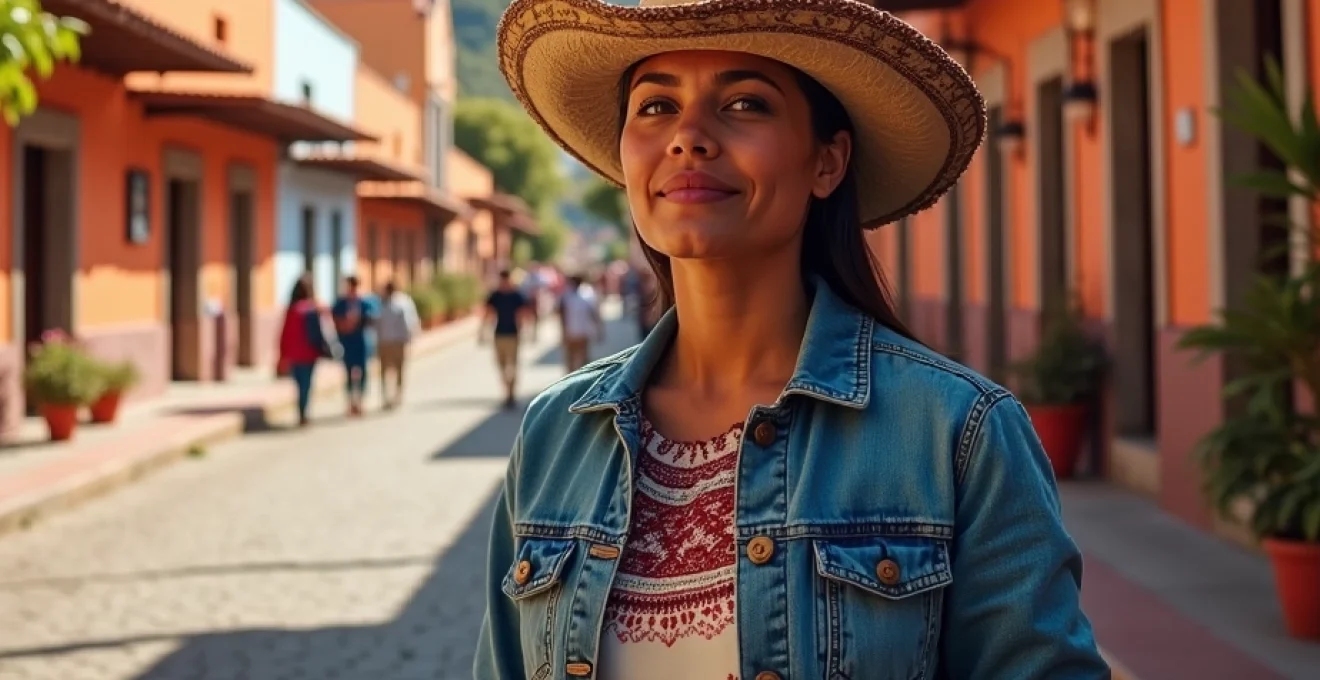
Mexico is a country rich in history, tradition, and vibrant culture. For travellers seeking an authentic experience, Mexico offers a wealth of opportunities to immerse oneself in its diverse heritage. From ancient Mayan ruins to colourful festivals and mouthwatering cuisine, the country provides a tapestry of experiences that go far beyond the typical tourist attractions. This guide will explore how to truly connect with Mexican culture during your travels, offering insights into lesser-known destinations and activities that showcase the heart and soul of this fascinating country.
Immersive cultural experiences in mexico’s pueblos mágicos
Mexico’s Pueblos Mágicos (Magical Towns) programme highlights small towns throughout the country that offer visitors a magical experience through their natural beauty, cultural richness, or historical relevance. These charming destinations provide an excellent opportunity to experience authentic Mexican culture away from the more touristy areas.
Exploring the colonial architecture of taxco, guerrero
Nestled in the mountains of Guerrero, Taxco is renowned for its silver mining history and stunning colonial architecture. The town’s narrow, winding cobblestone streets are lined with whitewashed buildings adorned with red-tiled roofs, creating a picturesque setting that transports visitors back in time. The crown jewel of Taxco is the ornate Santa Prisca Church, a masterpiece of Mexican Baroque architecture that dominates the town’s skyline.
To fully appreciate Taxco’s cultural significance, consider taking a guided tour of the town’s silver workshops. Here, you can observe skilled artisans creating intricate silver jewellery using traditional techniques passed down through generations. Many workshops offer hands-on experiences where you can try your hand at crafting a simple silver piece, providing a deeper connection to the town’s silversmithing heritage.
Participating in traditional day of the dead rituals in pátzcuaro, michoacán
Pátzcuaro, located in the state of Michoacán, is famous for its Día de Muertos (Day of the Dead) celebrations. This ancient tradition, which takes place annually from October 31st to November 2nd, offers a unique insight into Mexican culture’s relationship with death and remembrance. During this time, the town comes alive with colourful altars, candlelit processions, and elaborate ofrendas (offerings) to honour deceased loved ones.
To truly experience the depth of this cultural tradition, consider participating in a local family’s Noche de Muertos (Night of the Dead) vigil. Many families welcome respectful visitors to join them as they decorate graves, share stories of their departed relatives, and partake in traditional foods like pan de muerto (bread of the dead) and calabaza en tacha (candied pumpkin).
Discovering indigenous huichol art in sayulita, nayarit
While Sayulita is known primarily as a surf town, it also serves as a gateway to experiencing the vibrant art of the Huichol people. The Huichol, an indigenous group from the Sierra Madre Occidental, are renowned for their intricate beadwork and yarn paintings that often depict spiritual visions and ancient myths.
Visit local galleries and workshops in Sayulita to witness Huichol artisans creating their mesmerising pieces. Many offer workshops where you can learn the basics of Huichol beading techniques and create your own small artwork to take home as a meaningful souvenir. This hands-on experience provides a deeper appreciation for the skill, patience, and cultural significance behind these remarkable creations.
Culinary tourism: tasting mexico’s regional gastronomy
Mexican cuisine is far more diverse and complex than many international visitors realise. Each region of the country boasts its own unique culinary traditions, ingredients, and flavours. Exploring Mexico’s gastronomic landscape is an excellent way to connect with local culture and traditions.
Sampling mole varieties in oaxaca city’s mercado 20 de noviembre
Oaxaca is often considered the culinary capital of Mexico, and its most famous contribution to Mexican cuisine is undoubtedly mole. This complex sauce, which can contain up to 30 ingredients, comes in several varieties, each with its own distinct flavour profile. The Mercado 20 de Noviembre in Oaxaca City is a food lover’s paradise, offering a wide array of local specialties, including multiple types of mole.
To fully appreciate the diversity of Oaxacan mole, consider taking a guided food tour of the market. Expert guides can introduce you to the seven traditional moles of Oaxaca, explaining the history and cultural significance of each variety. Don’t miss the chance to try mole negro , the most famous and complex of all moles, which gets its distinctive black colour from charred chili peppers and chocolate.
Learning to make authentic tortillas in san cristóbal de las casas, chiapas
Tortillas are the foundation of Mexican cuisine, and learning to make them by hand is a quintessential cultural experience. In San Cristóbal de las Casas, a charming colonial town in the highlands of Chiapas, you can participate in cooking classes that teach traditional Mayan cooking techniques, including tortilla-making.
These classes often begin with a visit to a local market to source fresh ingredients, providing insight into the importance of specific herbs and vegetables in Mayan cuisine. Under the guidance of a local cook, you’ll learn to mix masa (corn dough), shape tortillas by hand, and cook them on a traditional comal (flat griddle). The satisfaction of eating your own handmade tortillas, filled with local specialties like cochinita pibil or poc chuc , is unparalleled.
Experiencing a traditional yucatecan pib ceremony in valladolid
The Yucatán Peninsula has a unique culinary tradition that sets it apart from the rest of Mexico. One of the most fascinating aspects of Yucatecan cuisine is the pib , an underground oven used to slow-cook meats and other dishes. In Valladolid, a charming colonial town in the heart of the Yucatán, you can participate in a traditional pib ceremony, an experience that combines gastronomy with ancient Maya rituals.
During a pib ceremony, you’ll witness the preparation of cochinita pibil , a traditional dish of marinated pork wrapped in banana leaves and cooked underground for hours. The process begins with the digging of the pit and the blessing of the ingredients, often accompanied by prayers in the Maya language. As the meat cooks, you can learn about the cultural significance of this cooking method and its role in Maya cosmology. The culmination of the ceremony is the unearthing and sharing of the tender, flavourful meat – a truly unforgettable culinary and cultural experience.
Engaging with local artisans and craftspeople
Mexico’s rich artistic traditions are deeply rooted in its cultural heritage. Engaging with local artisans and craftspeople not only supports traditional arts but also provides a window into the country’s diverse cultural expressions.
Observing talavera pottery production in puebla
Puebla is renowned for its Talavera pottery, a type of majolica earthenware that has been produced in the region since the 16th century. The intricate patterns and vibrant colours of Talavera are instantly recognisable and have become symbolic of Mexican decorative arts.
Visit one of the many Talavera workshops in Puebla to observe master artisans at work. You’ll witness the entire production process, from the preparation of the clay to the hand-painting of intricate designs. Many workshops offer guided tours that explain the historical significance of Talavera and the strict regulations that govern its production to maintain its UNESCO Intangible Cultural Heritage status.
The art of Talavera is not just about creating beautiful objects; it’s about preserving a centuries-old tradition that reflects the cultural fusion of indigenous and Spanish influences in Mexican art.
Participating in a backstrap loom weaving workshop in san juan chamula
San Juan Chamula, a small town in the highlands of Chiapas, is known for its fiercely independent Tzotzil Maya community and their distinctive textiles. The women of Chamula are skilled weavers who create intricate designs using traditional backstrap looms, a technique that has been passed down through generations.
To gain a deeper appreciation for this ancient craft, consider participating in a weaving workshop with a local artisan. You’ll learn about the significance of different patterns and colours in Tzotzil culture, as well as the basic techniques of backstrap weaving. Creating even a small piece on a backstrap loom requires patience and skill, offering a newfound respect for the artistry behind these beautiful textiles.
Visiting the amber workshops of simojovel, chiapas
Chiapas is home to some of the world’s finest amber deposits, and the town of Simojovel is at the heart of Mexico’s amber industry. Unlike Baltic amber, Chiapas amber often contains unique inclusions of plants and insects, making it highly prized by collectors and jewellery enthusiasts.
A visit to Simojovel’s amber workshops offers insight into the process of mining, cutting, and polishing this fossilised resin. Many artisans in the town specialise in creating intricate amber jewellery and sculptures, often incorporating traditional Mayan designs. Some workshops offer the opportunity to select your own piece of raw amber and work with an artisan to create a custom piece of jewellery, providing a truly personal connection to this ancient material.
Attending authentic mexican festivals and celebrations
Mexico’s vibrant festivals offer some of the most immersive cultural experiences available to travellers. These events, often rooted in centuries-old traditions, provide a window into the country’s rich heritage and contemporary cultural expressions.
Witnessing the guelaguetza festival in oaxaca
The Guelaguetza, held annually in July in Oaxaca City, is one of Mexico’s most important cultural festivals. This celebration of indigenous culture brings together representatives from the state’s 16 ethnic groups, each showcasing their traditional dances, music, and costumes.
To fully appreciate the Guelaguetza, arrive a few days before the main event to witness the calenda parades, where participants march through the streets in elaborate costumes, often accompanied by giant mojigangas (papier-mâché puppets). During the main performances, pay attention to the distinctive elements of each region’s dance and attire, which often tell stories of local history and mythology.
Participating in the carnaval de veracruz
The Carnaval de Veracruz, held in the weeks leading up to Lent, is one of the largest and most exuberant carnival celebrations in Mexico. This coastal city’s carnival is known for its blend of African, Caribbean, and Mexican influences, resulting in a unique cultural spectacle.
To immerse yourself in the carnival spirit, join one of the many comparsas (carnival groups) that parade through the streets. These groups often welcome visitors to participate, offering the opportunity to don a costume and dance alongside locals. Don’t miss the burning of Juan Carnaval , a satirical effigy that represents the vices and excesses of the past year, which marks the end of the festivities.
Experiencing the feria nacional de san marcos in aguascalientes
The Feria Nacional de San Marcos, held annually in Aguascalientes, is one of Mexico’s largest and oldest fairs. This three-week event combines traditional elements of a Mexican fair with modern entertainment, offering a glimpse into both historical and contemporary Mexican culture.
To experience the fair like a local, start your day with a visit to the palenque (cockfighting ring) – while controversial, this traditional sport remains an important part of the fair’s heritage. In the evening, enjoy traditional Mexican music and dance performances at the Plaza de Toros, followed by a visit to the fairgrounds to sample regional cuisine and try your luck at classic carnival games.
Exploring mexico’s Pre-Hispanic heritage sites
Mexico’s pre-Hispanic civilisations left behind a rich legacy of archaeological sites that continue to captivate visitors with their architectural grandeur and historical significance. Exploring these ancient cities offers a unique perspective on the country’s indigenous heritage.
Guided tours of teotihuacan with local archaeologists
Teotihuacan, located just outside Mexico City, is one of the most important archaeological sites in Mesoamerica. This ancient city, known for its massive pyramids and the Avenue of the Dead, continues to mystify researchers with its advanced urban planning and astronomical alignments.
To gain a deeper understanding of Teotihuacan’s significance, consider booking a tour led by a local archaeologist. These experts can provide insights into ongoing research at the site, explaining recent discoveries and theories about the city’s purpose and eventual decline. Climbing the Pyramid of the Sun at sunrise offers a breathtaking view of the entire archaeological zone and a sense of connection to the ancient people who built this remarkable city.
Participating in a temazcal ceremony at coba, quintana roo
The ancient Maya city of Coba, located in the jungle of Quintana Roo, offers visitors the chance to explore lesser-known ruins and participate in traditional Maya ceremonies. One such experience is the temazcal, a pre-Hispanic sweat lodge ritual that combines elements of physical purification with spiritual cleansing.
Participating in a temazcal ceremony at Coba provides a unique opportunity to connect with ancient Maya spirituality. Led by a trained temazcalero , you’ll enter a small, dome-shaped structure where heated volcanic rocks create steam infused with medicinal herbs. The ceremony typically involves prayers, chanting, and meditation, offering a profound and often transformative experience.
The temazcal ceremony is not just a tourist attraction; it’s a living tradition that continues to play an important role in Maya communities, offering physical, emotional, and spiritual healing.
Studying mayan astronomy at chichen itza’s el caracol
Chichen Itza, one of the New Seven Wonders of the World, is renowned for its impressive pyramids and ball courts. However, one of its most fascinating structures is El Caracol, an ancient observatory that demonstrates the Maya’s advanced understanding of astronomy.
To truly appreciate the sophistication of Maya astronomical knowledge, visit El Caracol during the spring or autumn equinox. During these times, the building’s windows align perfectly with celestial events, showcasing the Maya’s ability to track the movements of Venus and other heavenly bodies. Joining a specialised astronomical tour can provide deeper insights into how the Maya used their observations to create accurate calendars and guide agricultural practices.
By engaging in these immersive cultural experiences, travellers can gain a deeper appreciation for Mexico’s rich heritage and diverse traditions. Whether you’re exploring ancient ruins, participating in traditional ceremonies, or sampling regional cuisines, these authentic encounters offer a window into the heart and soul of Mexican culture. Remember that responsible tourism involves respecting local customs, supporting community-based initiatives, and approaching each experience with an open mind and heart.