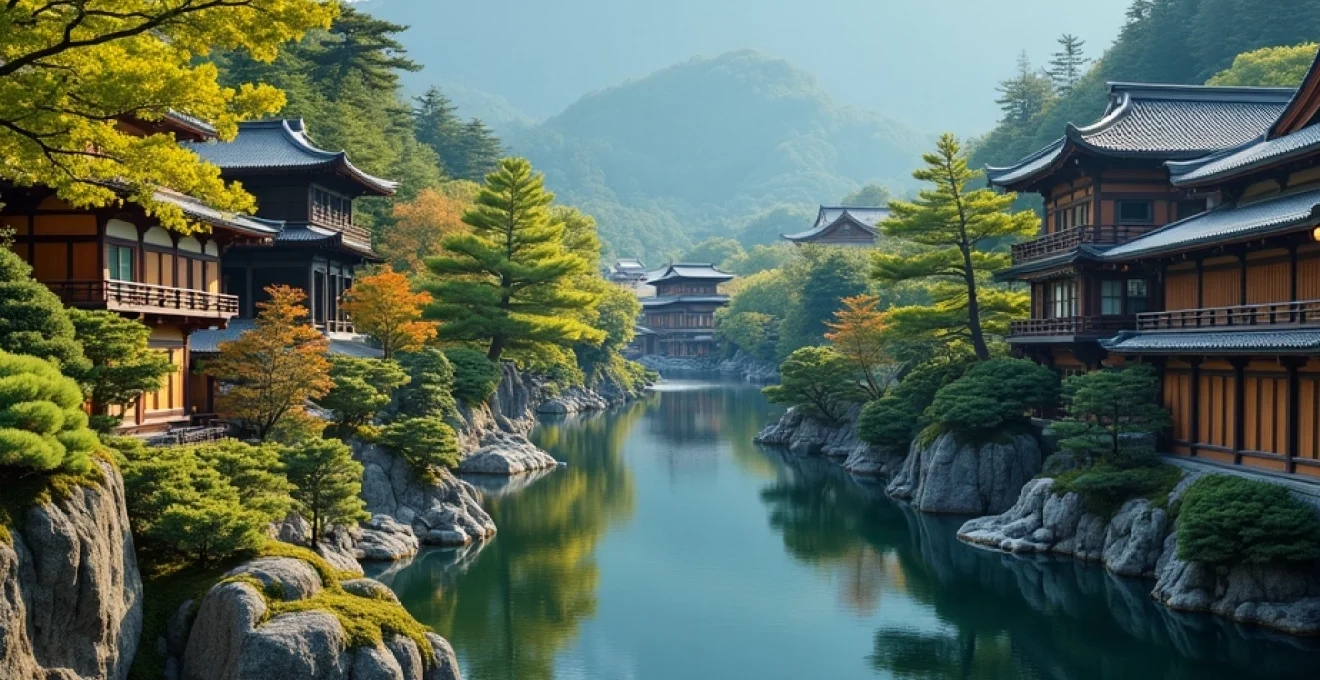
Japan’s allure extends far beyond the neon-lit streets of Tokyo. While the capital city captivates millions of visitors each year, the true essence of Japan often lies in its lesser-known regions. From the rugged mountains of Hokkaido to the subtropical islands of Okinawa, Japan offers a treasure trove of hidden gems waiting to be discovered. This journey through Japan’s off-the-beaten-path destinations will reveal a side of the country that many travellers miss, showcasing its diverse landscapes, rich cultural heritage, and unique local experiences.
Unveiling japan’s rural heartland: exploring tohoku and hokkaido
The northern regions of Japan, comprising Tohoku and Hokkaido, offer a stark contrast to the urban sprawl of Tokyo. These areas are characterised by vast wilderness, traditional rural communities, and a slower pace of life that harks back to Japan’s pre-industrial era. Exploring these regions provides a unique opportunity to experience Japan’s natural beauty and traditional culture firsthand.
Immersive onsen experiences in nyuto onsen village, akita prefecture
Nestled in the mountains of Akita Prefecture, Nyuto Onsen Village is a hidden paradise for hot spring enthusiasts. This collection of traditional ryokan (Japanese inns) and public bathhouses offers some of the most authentic onsen experiences in Japan. The milky white waters of Nyuto Onsen are renowned for their healing properties, drawing visitors from across the country.
You can immerse yourself in the tranquil atmosphere of Nyuto Onsen by staying at one of the traditional ryokan. These inns often feature rotenburo (outdoor baths) overlooking pristine forests, allowing you to soak in the therapeutic waters while surrounded by nature. The experience is particularly magical during winter when snow-covered landscapes create a picturesque backdrop for your onsen adventure.
Hiking the ancient cedar forests of yakushima island
While technically part of Kyushu, Yakushima Island deserves special mention for its unique ecosystem. This UNESCO World Heritage site is home to some of Japan’s oldest living organisms, including cedar trees that are thousands of years old. The most famous of these is the Jōmon Sugi, estimated to be between 2,000 and 7,000 years old.
Hiking through Yakushima’s moss-covered forests feels like stepping into a mystical realm. The island’s network of trails caters to various fitness levels, from leisurely walks to challenging multi-day treks. As you navigate the lush landscape, you’ll encounter cascading waterfalls, diverse wildlife, and breathtaking viewpoints that showcase the island’s rugged beauty.
Discovering ainu culture in shiraoi, hokkaido
Hokkaido is not only a paradise for nature lovers but also home to Japan’s indigenous Ainu people. In Shiraoi, you can visit the Upopoy National Ainu Museum and Park , which opened in 2020 to promote and preserve Ainu culture. This comprehensive facility offers a deep dive into Ainu history, traditions, and contemporary issues.
At Upopoy, you can explore interactive exhibits, watch traditional performances, and even participate in hands-on cultural workshops. The park’s outdoor area features reconstructed Ainu villages, providing insight into traditional lifestyles. This immersive experience offers a unique perspective on Japan’s cultural diversity and challenges common perceptions of Japanese homogeneity.
Traversing the daisetsuzan national park’s alpine landscape
Daisetsuzan National Park, often referred to as the “Roof of Hokkaido,” is Japan’s largest national park and a haven for outdoor enthusiasts. This vast wilderness area encompasses rugged mountains, volcanic landscapes, and diverse ecosystems that change dramatically with the seasons.
Hiking in Daisetsuzan offers a range of experiences, from leisurely nature walks to challenging alpine treks. The park is particularly renowned for its autumn colours, when the mountainsides burst into a vibrant tapestry of reds, oranges, and golds. For a unique perspective, consider taking the Kurodake Ropeway, which provides panoramic views of the surrounding peaks and valleys.
Kyushu’s hidden treasures: from volcanoes to samurai towns
Kyushu, the southernmost of Japan’s main islands, is a land of contrasts. From active volcanoes to ancient samurai districts, this region offers a diverse array of experiences that showcase Japan’s natural and cultural heritage. Exploring Kyushu allows you to delve into Japan’s volcanic landscapes, feudal history, and unique local traditions.
Exploring the active caldera of mount aso
Mount Aso, located in Kumamoto Prefecture, is one of the world’s largest active volcanoes. The massive caldera, spanning approximately 25 kilometres in diameter, offers a surreal landscape that seems almost otherworldly. Visitors can explore the caldera’s unique ecosystem, which includes grasslands, hot springs, and volcanic peaks.
For an unforgettable experience, take a guided tour to the edge of the active Nakadake crater. Here, you can witness the raw power of the Earth as steam and gases billow from the volcano’s core. The surrounding Aso-Kuju National Park also offers excellent hiking opportunities, allowing you to immerse yourself in the region’s volcanic beauty.
Uncovering feudal history in chiran’s samurai district
Nestled in the southern part of Kagoshima Prefecture, the town of Chiran transports visitors back to Japan’s feudal era. The well-preserved samurai district features traditional residences and meticulously maintained Japanese gardens, offering a glimpse into the lives of these elite warriors during the Edo period (1603-1868).
As you stroll along the stone-paved streets, you’ll encounter seven samurai residences open to the public. These homes showcase traditional architecture and provide insight into the daily lives of samurai families. The district’s peaceful atmosphere and beautiful gardens make it an ideal spot for contemplation and photography.
Diving into subtropical marine life at amami oshima
Amami Oshima, part of the Amami Islands in Kagoshima Prefecture, offers a tropical paradise that feels worlds away from mainland Japan. This island is renowned for its pristine beaches, lush mangrove forests, and vibrant coral reefs teeming with marine life.
Snorkelling and diving enthusiasts will find Amami Oshima’s waters a treasure trove of biodiversity. The island’s coral reefs are home to a wide variety of tropical fish, sea turtles, and even the occasional manta ray. For a unique experience, consider joining a night snorkelling tour to observe bioluminescent plankton illuminating the dark waters.
Experiencing zen at fukuoka’s shofukuji temple
Shofukuji Temple in Fukuoka holds the distinction of being Japan’s first Zen temple, established in 1195. This historic site offers visitors a serene escape from the bustling city and an opportunity to delve into the roots of Zen Buddhism in Japan.
While the temple buildings themselves are not open to the public, the grounds are free to explore. As you wander through the peaceful gardens and observe the austere architecture, you’ll gain insight into the principles of Zen aesthetics and philosophy. The temple’s tranquil atmosphere provides an ideal setting for meditation and reflection.
Shikoku’s spiritual journey: the 88 temple pilgrimage
Shikoku, the smallest of Japan’s four main islands, is home to one of the country’s most significant spiritual journeys: the 88 Temple Pilgrimage. This ancient pilgrimage route, known as the Shikoku Henro , covers approximately 1,200 kilometres and connects 88 temples associated with the Buddhist monk Kūkai (also known as Kōbō Daishi).
Walking the henro trail: preparation and cultural etiquette
Embarking on the Shikoku Henro is a significant undertaking that requires careful preparation. While many modern pilgrims complete the journey by bus or car, walking the entire route offers a more immersive and spiritually rewarding experience. Preparation involves not only physical training but also familiarising yourself with the cultural etiquette associated with the pilgrimage.
Essential items for the journey include comfortable walking shoes, appropriate clothing, and a kongō-zue (pilgrim’s staff). It’s also customary to wear white clothing and carry a wagesa (a white sash) to identify yourself as a pilgrim. Learning basic Japanese phrases and understanding temple etiquette will enhance your experience and show respect for local traditions.
Key temples: ryozenji, zentsuji, and okubo-ji
While all 88 temples on the pilgrimage hold significance, some stand out for their historical importance or unique features. Ryozenji, the first temple on the route, marks the beginning of most pilgrims’ journeys. This temple provides an opportunity to obtain necessary items and receive blessings for a safe pilgrimage.
Zentsuji, the 75th temple, is particularly significant as the birthplace of Kūkai. The temple complex includes several important structures and artefacts related to the monk’s life. Okubo-ji, the 88th and final temple, represents the completion of the pilgrimage. Here, pilgrims offer their kongō-zue and reflect on their spiritual journey.
Engaging with local communities along the pilgrimage route
One of the most rewarding aspects of the Shikoku Henro is the opportunity to engage with local communities. Many residents along the route practice o-settai , a tradition of offering assistance and hospitality to pilgrims. This can range from providing free lodging to offering simple refreshments or words of encouragement.
Engaging with locals allows you to experience the warmth and generosity of rural Japanese communities. It’s not uncommon for pilgrims to form lasting friendships or gain unique insights into local customs and traditions. These interactions often become cherished memories that enrich the overall pilgrimage experience.
Culinary adventures in japan’s Lesser-Known regions
Japan’s culinary landscape extends far beyond sushi and ramen. Each region of the country boasts its own unique specialties, often closely tied to local ingredients and traditions. Exploring Japan’s lesser-known regions through their cuisine offers a delicious way to experience the country’s cultural diversity.
Savoring hida beef in takayama, gifu prefecture
Takayama, nestled in the mountains of Gifu Prefecture, is renowned for its high-quality Hida beef. This premium wagyu is known for its intense marbling and rich flavour, rivalling the more famous Kobe beef. Visiting Takayama allows you to sample this delicacy in various forms, from traditional grilled steaks to innovative modern dishes.
For an authentic experience, consider trying Hida beef sushi or Hoba miso , where thin slices of beef are grilled on a magnolia leaf with miso paste. Many local restaurants offer beef-tasting menus that showcase different cuts and preparation methods, allowing you to fully appreciate the nuances of this prized ingredient.
Exploring awamori distilleries in okinawa
Okinawa’s unique culinary traditions extend to its beverages, with awamori being the prefecture’s signature spirit. This distilled alcohol, made from long-grain rice, has a history dating back over 500 years. Visiting awamori distilleries in Okinawa offers insight into the production process and the spirit’s cultural significance.
Many distilleries offer tours and tasting sessions, allowing you to sample various types of awamori and learn about proper serving techniques. Some notable distilleries include Zuisen Distillery in Naha and Chuko Distillery on Izena Island. Don’t forget to try kusu , aged awamori that develops a smoother flavour profile over time.
Indulging in fresh seafood at tsukiji outer market, tokyo
While Tokyo’s famous Tsukiji Fish Market has moved to a new location, the Tsukiji Outer Market remains a vibrant hub for seafood enthusiasts. This area, filled with small shops and restaurants, offers a more accessible and less crowded alternative to the new Toyosu Market.
At Tsukiji Outer Market, you can sample an array of fresh seafood, from sushi and sashimi to grilled fish and seafood bowls. Don’t miss specialties like uni (sea urchin), otoro (fatty tuna), and anago (conger eel). Early morning visits offer the freshest selection and a chance to observe local chefs and fishmongers at work.
Participating in a traditional tea ceremony in uji, kyoto
Uji, a small city south of Kyoto, is renowned for producing some of Japan’s finest green tea. Visiting Uji provides an opportunity to participate in a traditional tea ceremony and learn about the intricate rituals surrounding this important cultural practice.
Several tea houses in Uji offer tea ceremony experiences for visitors, often in beautiful traditional settings. During the ceremony, you’ll learn about the proper etiquette for preparing and consuming matcha, as well as the philosophy behind the practice. Many venues also offer guided tours of nearby tea fields, providing insight into the cultivation and processing of high-quality green tea.
Off-grid island escapes: japan’s remote archipelagos
Japan’s numerous islands offer opportunities for off-grid adventures and encounters with unique ecosystems. From tropical paradises to rugged wilderness, these remote archipelagos showcase a side of Japan that few visitors experience. Exploring these islands allows you to disconnect from the modern world and immerse yourself in pristine natural environments.
Snorkeling the coral reefs of the kerama islands
The Kerama Islands, located about 40 kilometres west of Okinawa’s main island, boast some of Japan’s most beautiful coral reefs. These islands, designated as a national park in 2014, offer crystal-clear waters and diverse marine life that make for exceptional snorkelling and diving experiences.
Zamami and Tokashiki islands are popular bases for exploring the Kerama Islands’ underwater wonders. The area is home to over 200 species of coral and a wide variety of tropical fish. Lucky visitors might even spot sea turtles or migrating humpback whales (between January and March). Several local operators offer guided snorkelling tours suitable for all skill levels.
Discovering ancient ryukyu kingdom ruins on iriomote island
Iriomote Island, part of the Yaeyama Islands in Okinawa Prefecture, is a treasure trove of natural beauty and cultural heritage. This largely undeveloped island is home to dense mangrove forests, pristine beaches, and remnants of the ancient Ryukyu Kingdom.
Exploring Iriomote’s interior reveals hidden ruins and sacred sites that offer glimpses into the island’s rich history. The Kanokawa Ruins, for example, feature stone walls and foundations believed to date back to the 15th century. Guided tours can provide context and help you navigate the island’s rugged terrain while respecting protected areas.
Witnessing sea turtles nesting on yakushima’s beaches
Yakushima, an island off the coast of Kagoshima Prefecture, is not only famous for its ancient cedar forests but also serves as an important nesting site for sea turtles. From May to July, loggerhead turtles come ashore to lay their eggs on the island’s beaches, offering a rare opportunity to witness this natural spectacle.
Nagata Inaka-hama, on the island’s northwest coast, is one of the most popular spots for turtle watching. Guided night tours allow visitors to observe the nesting process while minimising disturbance to the turtles. It’s crucial to follow local guidelines and only participate in authorised tours to help protect these endangered species.
Exploring the untouched wilderness of the ogasaw
ara Islands
The Ogasawara Islands, also known as the Bonin Islands, are a remote archipelago located about 1,000 kilometers south of Tokyo. These islands offer a unique opportunity to experience pristine nature and endemic species found nowhere else in the world. Despite their distance from the mainland, the Ogasawara Islands are technically part of Tokyo Prefecture, making them an intriguing destination for adventurous travelers.
The islands’ isolation has resulted in a remarkable ecosystem, often compared to the Galapagos Islands. Visitors can explore lush forests home to rare plant species, trek through rugged terrain, and observe unique wildlife such as the Bonin flying fox and the Ogasawara snake-eyed skink. The surrounding waters are equally diverse, offering excellent opportunities for snorkeling, diving, and whale watching.
One of the most popular activities on the Ogasawara Islands is observing humpback whales during their breeding season from December to May. Guided boat tours provide a chance to witness these majestic creatures up close, often accompanied by playful dolphins. For those interested in history, the islands also feature remnants of World War II fortifications and offer insights into the complex cultural heritage shaped by Japanese, European, and Micronesian influences.
Accessing the Ogasawara Islands requires some planning, as they can only be reached by a 24-hour ferry ride from Tokyo. This journey itself becomes part of the adventure, offering a unique perspective on the vastness of the Pacific Ocean. Once on the islands, visitors can immerse themselves in a slower pace of life, enjoying pristine beaches, stargazing under some of the clearest night skies in Japan, and connecting with the tight-knit local community.
Exploring Japan beyond Tokyo reveals a country of incredible diversity, from the snow-capped peaks of Hokkaido to the tropical beaches of Okinawa. These hidden gems offer authentic experiences that showcase the true depth of Japanese culture, nature, and hospitality. Whether you’re seeking spiritual enlightenment, culinary adventures, or off-grid escapes, venturing off the beaten path in Japan promises unforgettable memories and a deeper understanding of this fascinating country.