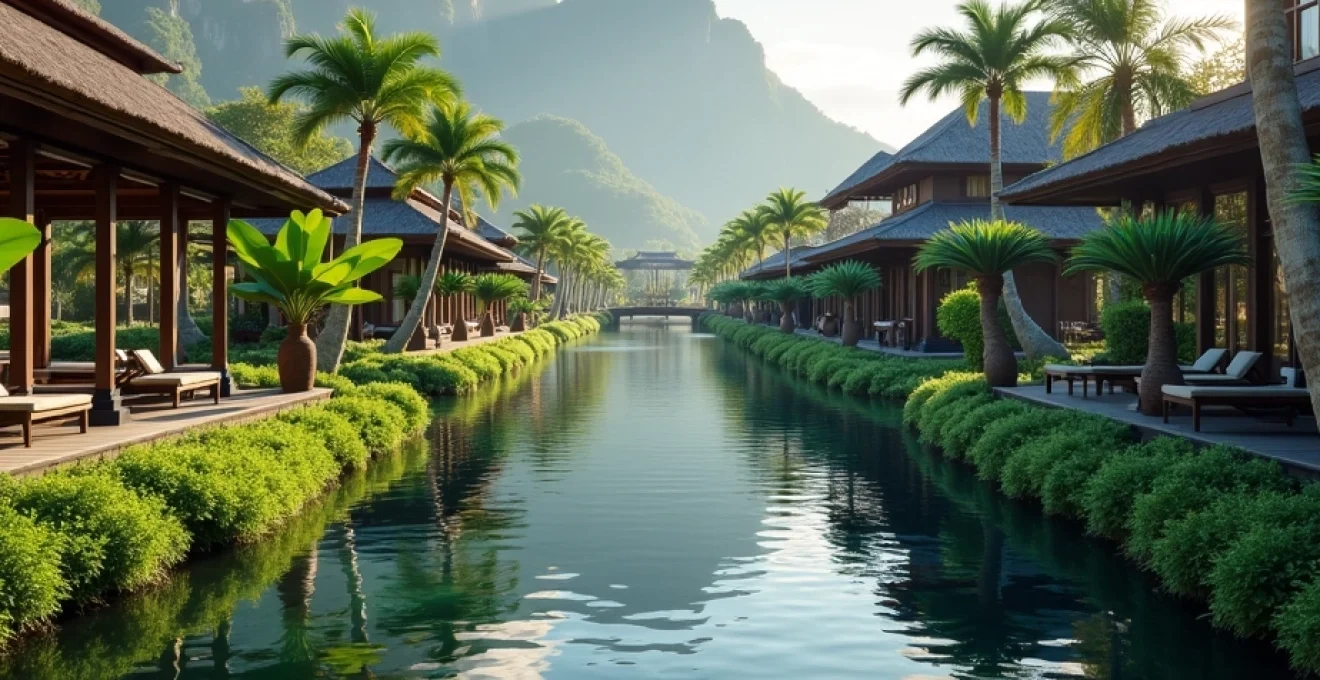
Bali, the famed Island of the Gods, offers an unparalleled blend of serenity and excitement for travellers seeking both relaxation and adventure. This Indonesian paradise has long captivated visitors with its lush landscapes, rich cultural heritage, and world-renowned hospitality. From tranquil yoga retreats nestled in the jungle to heart-pumping activities amidst volcanic terrain, Bali caters to every type of explorer. Whether you’re drawn to the island’s spiritual essence or its natural wonders, this guide will help you unlock the best of Bali’s diverse offerings.
Balinese wellness retreats: ubud’s yoga and meditation sanctuaries
Ubud, the cultural heart of Bali, has become synonymous with holistic wellness and spiritual rejuvenation. This picturesque town, surrounded by verdant rice paddies and mystical forests, hosts some of the world’s most renowned yoga and meditation centres. These sanctuaries offer a perfect escape for those seeking to reconnect with their inner selves and find balance in the midst of Bali’s natural beauty.
COMO shambhala estate: holistic healing in the jungle
Nestled in the lush rainforest just outside Ubud, COMO Shambhala Estate stands as a beacon of luxury wellness. This world-class retreat combines traditional Balinese healing practices with modern wellness techniques to create a truly transformative experience. The estate’s approach to holistic health encompasses nutrition, yoga, meditation, and spa treatments, all tailored to individual needs.
Guests can immerse themselves in daily yoga and meditation sessions led by expert instructors, or consult with Ayurvedic doctors for personalized wellness plans. The estate’s natural spring-fed pools and walking trails provide ample opportunities for relaxation and gentle exercise amidst stunning jungle scenery.
Fivelements retreat: Eco-Conscious balinese healing
Fivelements Retreat Bali embodies the essence of eco-luxury , offering a unique blend of traditional Balinese healing and contemporary wellness practices. This award-winning sanctuary is committed to sustainable living and holistic health, reflected in its plant-based cuisine and eco-friendly architecture.
The retreat’s signature programs focus on detoxification, stress reduction, and spiritual growth. Guests can participate in sacred arts practices, enjoy healing massages by the Ayung River, or engage in transformative fire and water purification rituals. Fivelements’ approach to wellness is deeply rooted in Balinese philosophy, providing an authentic and immersive healing experience.
The yoga barn: immersive classes and teacher training
For those seeking a more communal yoga experience, The Yoga Barn in central Ubud offers an extensive array of classes, workshops, and teacher training programs. This sprawling complex has become a hub for the international yoga community, attracting practitioners and instructors from around the globe.
With multiple studios and a diverse schedule of classes ranging from Vinyasa Flow to Yin Yoga, The Yoga Barn caters to all levels of experience. Beyond yoga, visitors can explore meditation, ecstatic dance, and sound healing sessions. The on-site Garden Kafe serves nourishing vegetarian and vegan fare, complementing the holistic wellness experience.
Exploring bali’s sacred water temples
Water plays a central role in Balinese Hindu spirituality, and the island’s sacred water temples are testament to this profound connection. These ancient sites not only showcase stunning architectural beauty but also offer visitors a glimpse into the rich tapestry of Balinese culture and religious practices.
Tirta empul: purification rituals and spring water bathing
Tirta Empul, meaning “holy spring” in Balinese, is one of the island’s most revered water temples. Located in the village of Tampaksiring, this 10th-century complex is built around a sacred spring believed to have been created by the god Indra. The temple’s main attraction is its large rectangular pool, fed by the spring and divided into several purification baths.
Visitors can participate in the melukat purification ritual, which involves bathing in the spring water and offering prayers at each of the pool’s stone spouts. It’s essential to approach this experience with respect and follow local customs, including wearing a sarong and sash (available for rent at the entrance). The serene atmosphere and historical significance of Tirta Empul make it a must-visit destination for those interested in Balinese spirituality.
Pura ulun danu bratan: lakeside serenity in bedugul
Perched on the shores of Lake Bratan in the cool highlands of Bedugul, Pura Ulun Danu Bratan is often referred to as the “Floating Temple” due to its seemingly gravity-defying position on the water. This 17th-century temple complex is dedicated to Dewi Danu, the Balinese water goddess, and plays a crucial role in the island’s subak irrigation system.
The temple’s iconic multi-tiered meru (pagoda) structures reflect beautifully in the calm lake waters, creating a postcard-perfect scene that embodies the harmony between nature and Balinese architecture. Visitors can explore the temple grounds, admire the intricate carvings, and even take a short boat ride on the lake for a different perspective of this majestic site.
Taman ayun: royal water temple architecture
Taman Ayun, meaning “beautiful garden,” is a royal water temple located in Mengwi, about 18 kilometers northwest of Denpasar. Built in 1634 by the King of Mengwi, this expansive complex showcases classical Balinese temple architecture surrounded by a moat, creating a serene island-like atmosphere.
The temple’s layout represents the mythological Mount Meru, with its concentric courtyards leading to the inner sanctum. Visitors can admire the towering meru structures, beautifully landscaped gardens, and ornate gates while learning about the temple’s historical significance to the Mengwi kingdom. Taman Ayun offers a peaceful retreat and a fascinating glimpse into Bali’s royal past.
Adventure activities in bali’s diverse landscapes
While Bali is renowned for its spiritual retreats and cultural experiences, the island also offers a wealth of adrenaline-pumping activities for adventure seekers. From scaling volcanic peaks to exploring underwater wonders, Bali’s diverse landscapes provide the perfect backdrop for thrilling experiences.
Mount batur sunrise trek: volcanic hiking experience
An early morning hike up Mount Batur, an active volcano in Bali’s northeast, rewards adventurers with one of the most spectacular sunrise views on the island. The trek typically begins around 2 AM, with guides leading small groups up the mountain in darkness. The challenging ascent takes about two hours, culminating in a breathtaking panorama of Lake Batur and the surrounding landscape bathed in golden morning light.
At the summit, hikers can enjoy a simple breakfast while warming themselves with the steam rising from the volcano’s crater. For those seeking an extra thrill, some tours offer the option to explore the crater rim or even cook eggs using the volcanic steam. The Mount Batur trek is a must-do for outdoor enthusiasts and photography buffs alike.
Ayung river rafting: navigating class II-III rapids
The Ayung River, Bali’s longest river, offers an exhilarating white-water rafting experience suitable for both beginners and experienced rafters. As you navigate the Class II and III rapids, you’ll be treated to stunning views of lush jungle, cascading waterfalls, and traditional Balinese villages perched on the riverbanks.
Most rafting trips cover a 12-kilometer stretch of the river, lasting about two hours. Along the way, you’ll encounter thrilling rapids, calm stretches perfect for swimming, and even opportunities to cliff-jump into the refreshing river waters. Experienced guides ensure safety while sharing insights about the surrounding ecosystem and local culture, making this adventure both exciting and educational.
Nusa penida island: snorkelling with manta rays
Just off Bali’s southeast coast lies Nusa Penida, an island paradise known for its dramatic cliffs, pristine beaches, and rich marine life. One of the most unforgettable experiences here is snorkelling with majestic manta rays at Manta Point. These gentle giants, with wingspans reaching up to 7 meters, frequent the area year-round, offering high chances of encounters.
Day trips to Nusa Penida typically include boat transfers from Bali, snorkelling equipment, and guidance from experienced local operators. Besides the manta ray experience, visitors can explore other snorkelling spots teeming with colorful fish and coral reefs. The island’s rugged beauty, including the iconic Kelingking Beach and Angel’s Billabong, makes it a photographer’s dream and a must-visit destination for nature lovers.
West bali national park: menjangan island diving
For diving enthusiasts, Menjangan Island in West Bali National Park offers some of the best underwater experiences in Bali. This small, uninhabited island is surrounded by crystal-clear waters and vibrant coral reefs, making it a prime spot for both snorkelling and scuba diving.
The dive sites around Menjangan Island feature dramatic wall dives, colourful soft corals, and an abundance of marine life including reef sharks, turtles, and various species of tropical fish. The calm waters and excellent visibility (often exceeding 30 meters) make it suitable for divers of all levels. Many dive operators offer day trips from nearby resorts or longer liveaboard experiences for those wanting to fully explore this underwater paradise.
Balinese spa treatments and traditional healing practices
Bali’s reputation as a wellness destination extends beyond yoga and meditation to include a rich tradition of spa treatments and healing practices. These time-honored techniques, passed down through generations, offer visitors a unique way to relax, rejuvenate, and connect with Balinese culture.
Lulur body scrubs: royal javanese beauty rituals
The lulur body treatment, originating from the royal palaces of Java, has become a staple in Balinese spas. This luxurious ritual typically begins with a full-body massage using fragrant oils, followed by the application of a paste made from turmeric, rice powder, and other natural ingredients. The paste is gently scrubbed over the skin, exfoliating and nourishing simultaneously.
After the scrub, guests are often treated to a yogurt body mask to further soften and moisturize the skin. The treatment concludes with a flower-filled bath, leaving the skin glowing and the mind relaxed. Many high-end spas in Bali offer variations of the lulur treatment, often incorporating local ingredients like coffee, coconut, or volcanic ash for added benefits.
Balinese massage techniques: pressure point therapy
Balinese massage is renowned for its holistic approach to healing, combining gentle stretches, acupressure, reflexology, and aromatherapy. This traditional technique focuses on stimulating blood flow, releasing muscle tension, and balancing the body’s energy flow. Balinese massage therapists use a variety of techniques, including long strokes, skin rolling, and palm and thumb pressure on specific points.
What sets Balinese massage apart is its emphasis on using essential oils and incorporating spiritual elements. Many therapists begin the session with a brief meditation or prayer, creating a serene atmosphere. The combination of physical manipulation and aromatic oils not only relieves physical tension but also promotes mental and emotional wellbeing.
Jamu herbal medicine: ancient indonesian wellness elixirs
Jamu, Indonesia’s traditional herbal medicine, has been used for centuries to promote health, beauty, and vitality. These potent elixirs are made from a variety of natural ingredients including turmeric, ginger, tamarind, and various herbs and spices. Each jamu recipe is designed to address specific health concerns or boost overall wellness.
In Bali, you can find jamu sold by street vendors, in markets, and even in upscale cafes and wellness centres. Some popular varieties include kunyit asam (turmeric and tamarind) for detoxification and beras kencur (rice and galangal) for boosting energy. Many spas and wellness retreats in Bali now incorporate jamu into their treatment programs, offering guests a taste of this ancient healing tradition.
Embracing Balinese healing practices allows visitors to experience not just physical rejuvenation, but also a deeper connection to the island’s rich cultural heritage.
Culinary journey through bali’s regions
Balinese cuisine is a vibrant tapestry of flavors, reflecting the island’s rich cultural heritage and abundance of fresh, local ingredients. From street food stalls to high-end restaurants, Bali offers a diverse culinary landscape that caters to every palate and dietary preference.
Warungs of seminyak: authentic street food experiences
Seminyak, known for its upscale resorts and trendy cafes, also boasts a thriving street food scene. Warungs , small family-owned eateries, offer an authentic taste of Balinese cuisine at affordable prices. These local haunts are perfect for sampling traditional dishes like nasi campur (mixed rice plate) or babi guling (suckling pig).
One standout warung in Seminyak is Warung Eny, beloved for its homestyle Balinese cooking. Here, you can enjoy dishes like ayam betutu (slow-cooked spiced chicken) and lawar (minced meat salad with coconut) in a casual, no-frills setting. For those seeking a more upscale warung experience, Naughty Nuri’s offers mouthwatering barbecue ribs alongside classic Indonesian fare.
Ubud’s organic cafes: Farm-to-Table vegetarian cuisine
Ubud has emerged as a haven for health-conscious foodies, with a plethora of organic cafes and vegetarian restaurants showcasing Bali’s abundant produce. These establishments often work directly with local farmers, ensuring fresh, seasonal ingredients and supporting sustainable agriculture practices.
Clear Cafe, a multi-level restaurant overlooking the Campuhan Ridge, exemplifies Ubud’s farm-to-table ethos. Their menu features creative vegetarian and vegan dishes, such as jackfruit tacos and raw lasagna, alongside fresh juices and superfood smoothies. For a more intimate dining experience, Sage offers a daily-changing menu of vegetarian and pescatarian dishes, all prepared with organic, locally-sourced ingredients.
Jimbaran bay: grilled seafood on the beach
No culinary tour of Bali is complete without experiencing the beachfront seafood restaurants of Jimbaran Bay. As the sun sets, dozens of restaurants set up tables directly on the sand, offering diners the chance to enjoy freshly grilled seafood with their toes in the sand.
The concept is simple but irresistible: choose your seafood from the day’s catch, which typically includes snapper, prawns, squid, and lobster. Your selection is then grilled over coconut husks, imparting a subtle smoky flavor. Accompaniments usually include steamed rice, water spinach ( kangkung ), and a variety of sambals (spicy chili sauces). Menega Cafe and Lia Cafe are two popular choices known for their quality seafood and beachfront ambiance.
Balinese cooking classes: mastering local spices and techniques
For those looking to bring a taste of Bali home, participating in a cooking class is an excellent way to learn about local ingredients and culinary traditions. Many classes begin with a visit to a traditional market, where instructors explain the various spices, herbs, and produce used in Balinese cooking.
Popular cooking classes in Bali include those offered by Bumbu Bali in Tanjung Benoa, which focuses on traditional Balinese recipes, and Paon Bali Cooking Class in Ubud, known for its intimate, homestyle approach. These classes typically culminate in a communal meal where participants can enjoy the fruits of their labor while discussing Balinese culinary traditions with their instructors and fellow students.
Sustainable and Eco-Friendly accommodations in bali
As environmental awareness grows among travelers, Bali has seen a rise in sustainable and eco-friendly accommodation options. These properties not only minimize their environmental impact but also offer unique experiences that connect guests with Bali’s natural beauty and cultural heritage.
Bambu indah: john hardy’s bamboo architectural marvel
Bambu Indah, located in Ubud, is a stunning example of sustainable luxury created by jewelry designer John Hardy. This eco-resort features a collection of antique Javanese bridal homes that have been repurposed into unique guest houses, alongside modern bamboo structures that showcase the versatility and beauty of this sustainable material.
Each house at Bambu Indah is uniquely designed, offering guests an immersive experience in Balinese culture and sustainable living. The resort’s commitment to eco-friendly practices is evident in its natural pools filtered by lava stones, organic permaculture gardens, and farm-to-table dining experiences. Guests can participate in traditional farming activities, enjoy yoga sessions overlooking the Ayung River, or simply relax in the tranquil surroundings.
Desa potato head: Zero-Waste luxury in seminyak
Desa Potato Head in Seminyak represents a bold vision for the future of sustainable hospitality. This creative village combines a luxury beachfront resort with public spaces dedicated to art, music, and wellness, all underpinned by a strong commitment to zero-waste principles and circular design.
The centerpiece of Desa Potato Head is the striking Potato Head Beach Club, featuring a facade made from thousands of colorful, recycled shutters. The resort’s rooms and suites incorporate locally sourced, recycled materials and feature energy-efficient design. Guests can enjoy plant-based dining options, participate in sustainability workshops, and experience cutting-edge music performances and art installations that often address environmental themes.
Green village: sustainable treehouse living in ubud
Green Village, located just outside Ubud, offers a truly unique eco-luxury experience with its collection of bamboo treehouses designed by architectural firm IBUKU. These multi-story bamboo homes blend seamlessly with the surrounding jungle, providing guests with an immersive forest experience while showcasing the potential of bamboo as a sustainable building material.
Each treehouse at Green Village is a work of art, featuring sweeping views, open-air living spaces, and intricate bamboo furnishings. The village operates on sustainable principles, utilizing solar power, natural water filtration systems, and organic waste management. Guests can tour the nearby Bamboo Factory to learn about sustainable construction techniques or participate in bamboo crafting workshops to gain hands-on experience with this versatile material.
Staying at one of Bali’s eco-friendly accommodations not only provides a unique and luxurious experience but also contributes to the island’s sustainable tourism efforts, ensuring that Bali’s natural beauty can be enjoyed by generations to come.