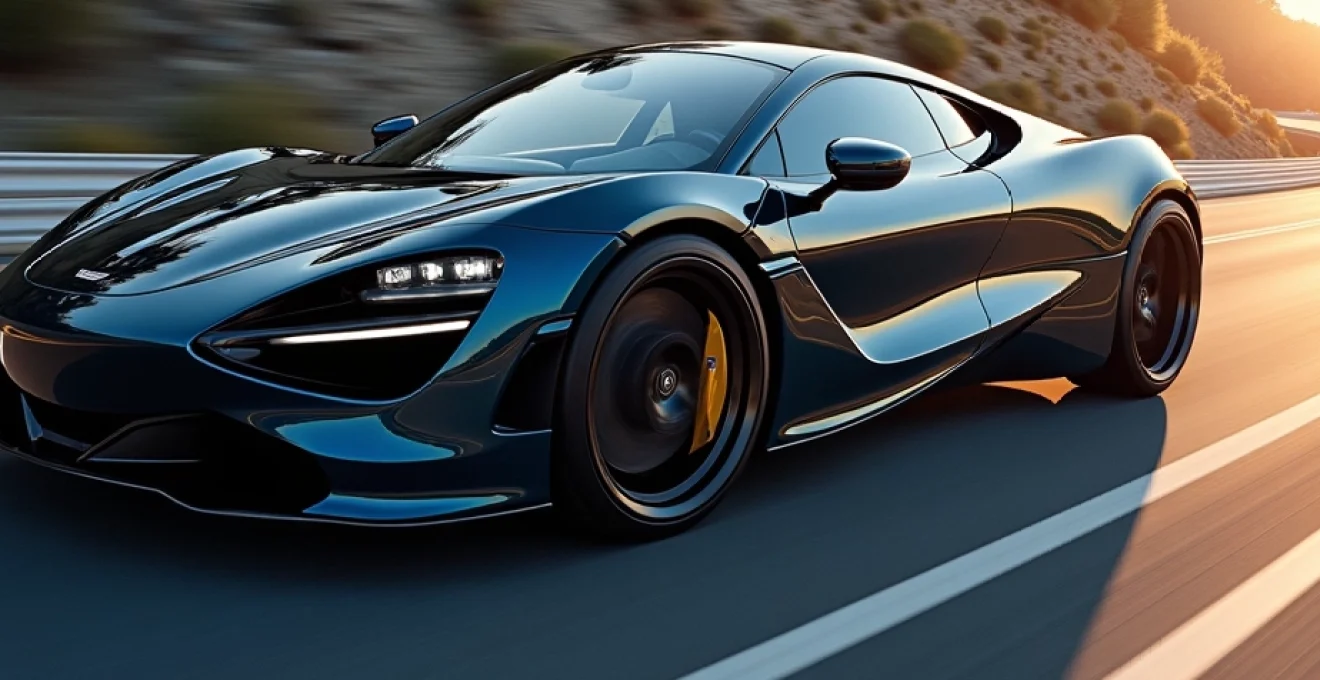
The luxury car market is undergoing a remarkable transformation, driven by technological advancements, shifting consumer preferences, and a growing emphasis on sustainability. As automakers strive to stay ahead in this competitive landscape, several key trends are shaping the future of high-end vehicles. From cutting-edge electric powertrains to advanced driver assistance systems and sustainable manufacturing practices, luxury car brands are pushing the boundaries of innovation to deliver unparalleled experiences to discerning customers.
These trends not only reflect the evolving tastes of luxury car buyers but also underscore the industry’s commitment to addressing global challenges such as climate change and road safety. As you explore the latest developments in the luxury car market, you’ll discover how manufacturers are redefining the very essence of automotive luxury, blending performance, technology, and sustainability in unprecedented ways.
Electric powertrains in luxury vehicles: tesla model S plaid vs porsche taycan
The electrification of luxury vehicles has become a defining trend in the automotive industry. Leading the charge are two formidable contenders: the Tesla Model S Plaid and the Porsche Taycan. These electric powerhouses exemplify the pinnacle of performance and innovation in the luxury EV segment.
The Tesla Model S Plaid boasts an astonishing 1,020 horsepower, propelling it from 0 to 60 mph in just under 2 seconds. With a range of up to 396 miles on a single charge, it sets a new standard for electric vehicle capabilities. On the other hand, the Porsche Taycan, while offering slightly less raw power, delivers a more traditional sports car experience with its precise handling and iconic design language.
Both vehicles showcase advanced battery technology, with high-capacity lithium-ion packs and sophisticated thermal management systems. The Taycan’s 800-volt architecture enables particularly fast charging, allowing it to replenish up to 80% of its battery in just 22.5 minutes under optimal conditions.
Electric powertrains are not just about zero emissions; they’re redefining performance and driving dynamics in the luxury segment.
As more luxury brands enter the electric arena, competition is intensifying, driving further innovation in battery technology, charging infrastructure, and electric vehicle range. This shift towards electrification is not only reshaping product lineups but also transforming the entire luxury car ownership experience.
Advanced driver assistance systems (ADAS) in High-End automobiles
Advanced Driver Assistance Systems (ADAS) have become a cornerstone of modern luxury vehicles, offering enhanced safety, comfort, and a glimpse into the future of autonomous driving. These sophisticated systems utilize a combination of sensors, cameras, and artificial intelligence to assist drivers in various scenarios, from parking to highway cruising.
Luxury car manufacturers are at the forefront of ADAS development, integrating increasingly complex features into their vehicles. These systems not only improve safety but also contribute to the overall luxury experience by reducing driver fatigue and enhancing the sense of control and confidence behind the wheel.
Mercedes-benz drive pilot: level 3 autonomy implementation
Mercedes-Benz has made significant strides in autonomous driving technology with its Drive Pilot system. This Level 3 autonomy feature allows drivers to hand over control to the vehicle under certain conditions, such as in heavy traffic on suitable highway sections. The system can maintain speed, steer, and even change lanes without driver intervention.
Drive Pilot uses a combination of LiDAR sensors, cameras, and radar to create a detailed map of the vehicle’s surroundings. It also incorporates high-precision positioning systems and a powerful onboard computer to process the vast amount of data required for safe autonomous operation.
Bmw’s idrive 8 system: AI-Enhanced user interface
BMW’s latest iDrive 8 system represents a leap forward in user interface design for luxury vehicles. This AI-enhanced system learns driver preferences and habits, adapting the vehicle’s settings and infotainment options accordingly. The system features a large curved display that combines the instrument cluster and central infotainment screen into a single, seamless unit.
Voice control is a key component of iDrive 8, with natural language processing allowing drivers to interact with the vehicle using conversational commands. The system also integrates with smart home devices, enabling users to control various aspects of their home environment directly from their vehicle.
Audi’s pre sense technology: predictive safety features
Audi’s Pre Sense technology is a suite of predictive safety features designed to anticipate and mitigate potential accidents. The system uses sensors and cameras to monitor the vehicle’s surroundings and can take preventive actions if it detects an imminent collision.
Pre Sense includes features such as automatic emergency braking, adaptive cruise control with stop-and-go functionality, and evasive steering assist. In more advanced versions, the system can even prepare the vehicle for a side impact by adjusting the suspension and closing windows and the sunroof.
Volvo’s pilot assist: Semi-Autonomous driving capabilities
Volvo’s Pilot Assist system offers semi-autonomous driving capabilities, combining adaptive cruise control with lane-keeping assistance. The system can maintain a set speed and distance from vehicles ahead while keeping the car centered in its lane. Pilot Assist works at speeds up to 80 mph, making it suitable for both highway driving and stop-and-go traffic situations.
Volvo’s commitment to safety is evident in the continuous improvements made to Pilot Assist, with each iteration offering more refined and reliable performance. The system serves as a foundation for Volvo’s long-term goal of achieving full autonomy in its vehicles.
Sustainable luxury: Bio-Materials and Carbon-Neutral manufacturing
Sustainability has become a crucial focus in the luxury car market, with manufacturers investing heavily in eco-friendly materials and carbon-neutral production processes. This shift reflects a growing awareness of environmental issues among luxury car buyers and a desire for more responsible consumption.
Luxury automakers are exploring innovative bio-materials to replace traditional petroleum-based plastics and leathers. These materials not only reduce the environmental impact of vehicle production but also offer unique aesthetic qualities that appeal to discerning customers.
Bentley’s beyond100 strategy: commitment to full electrification
Bentley’s Beyond100 strategy represents one of the most ambitious sustainability initiatives in the luxury car sector. The iconic British marque has committed to full electrification of its entire model range by 2030, with hybrid variants of all models available by 2023.
As part of this strategy, Bentley is also focusing on sustainable manufacturing practices. The company’s factory in Crewe, England, is already carbon neutral and uses 100% renewable energy. Bentley aims to become an end-to-end carbon neutral organization, extending its sustainability efforts across its entire supply chain.
Rolls-royce’s phantom orchid: sustainable interior design
Rolls-Royce has showcased its commitment to sustainable luxury with the Phantom Orchid, a bespoke creation featuring an interior crafted from eco-friendly materials. The vehicle’s silk upholstery is sustainably sourced, while the wood veneers are harvested from managed forests.
The Phantom Orchid exemplifies how luxury brands can maintain their commitment to craftsmanship and exclusivity while embracing more sustainable practices. This approach not only appeals to environmentally conscious buyers but also sets new standards for ethical luxury in the automotive industry.
Ferrari’s recycled carbon fibre initiatives
Ferrari, known for its high-performance supercars, is also making strides in sustainability with its recycled carbon fibre initiatives. The company has developed processes to reclaim and reuse carbon fibre from production scraps and end-of-life vehicles, reducing waste and the need for virgin materials.
This recycled carbon fibre maintains the strength and lightweight properties crucial for Ferrari’s performance-focused designs while significantly reducing the environmental impact of production. The initiative demonstrates that even in the most performance-oriented segments of the luxury car market, sustainability is becoming a key consideration.
Hyper-personalisation in Ultra-Luxury segments
Hyper-personalisation has emerged as a defining trend in the ultra-luxury car segment, catering to clients who demand unique, bespoke vehicles that reflect their individual tastes and lifestyles. This trend goes beyond simple customization options, offering customers the opportunity to be deeply involved in the design and creation of their vehicles.
Luxury car manufacturers are investing in dedicated personalisation divisions, staffed by skilled craftspeople and designers who can bring even the most extravagant customer visions to life. From custom paint finishes to bespoke interior materials and one-off mechanical modifications, the possibilities for personalisation are virtually limitless.
Rolls-Royce’s Bespoke program is perhaps the most well-known example of hyper-personalisation in the luxury car world. Customers can commission unique features such as starlight headliners with personalized constellations, custom-designed clocks, or even integrated art pieces within their vehicles. Similarly, Bentley’s Mulliner division offers a level of customization that extends to creating entirely new body styles based on customer preferences.
This trend towards hyper-personalisation reflects a shift in luxury consumption patterns, where exclusivity and individual expression are increasingly valued over traditional status symbols. For ultra-high-net-worth individuals, a bespoke vehicle represents not just a mode of transportation, but a personal statement and a work of art.
Connectivity and infotainment advancements in premium vehicles
Connectivity and infotainment systems have become crucial differentiators in the luxury car market, with manufacturers competing to offer the most advanced and intuitive interfaces. These systems are evolving to provide seamless integration with users’ digital lives, transforming vehicles into mobile technology hubs.
Apple CarPlay and android auto integration in luxury models
The integration of Apple CarPlay and Android Auto has become ubiquitous in luxury vehicles, offering users familiar interfaces and access to their preferred apps and services. These systems allow for seamless smartphone integration, enabling drivers to use navigation, music streaming, and communication apps through the vehicle’s infotainment display.
Luxury car manufacturers are taking this integration further by offering wireless connectivity and larger, high-resolution displays that can show multiple apps simultaneously. Some brands are also developing their own custom interfaces that work alongside CarPlay and Android Auto, providing a more tailored and brand-specific user experience.
Over-the-air (OTA) updates: Software-Defined vehicles
Over-the-Air (OTA) updates are transforming luxury vehicles into software-defined platforms that can be continuously improved and updated throughout their lifecycle. This technology allows manufacturers to add new features, improve performance, and fix issues without requiring customers to visit a dealership.
Tesla has been a pioneer in this area, regularly releasing OTA updates that add new functionality to its vehicles. Traditional luxury brands are now following suit, with companies like BMW and Mercedes-Benz implementing OTA capabilities across their model ranges. This approach not only enhances the ownership experience but also allows manufacturers to monetize new features and services post-purchase.
5G connectivity: enhanced Real-Time navigation and entertainment
The rollout of 5G networks is opening up new possibilities for in-car connectivity and entertainment. Luxury vehicles equipped with 5G modems can offer ultra-fast internet speeds, enabling high-quality video streaming, real-time traffic updates, and enhanced cloud-based services.
This high-speed connectivity also facilitates more advanced navigation systems with augmented reality overlays and real-time hazard warnings. For passengers, 5G enables seamless video conferencing and immersive entertainment experiences, transforming the vehicle into a mobile office or entertainment center.
Performance hybridisation: McLaren artura and ferrari SF90 stradale
Performance hybridisation represents a significant trend in the luxury sports car segment, combining the power of traditional combustion engines with the instantaneous torque of electric motors. This approach allows manufacturers to achieve unprecedented levels of performance while also improving fuel efficiency and reducing emissions.
The McLaren Artura and Ferrari SF90 Stradale are prime examples of this trend, showcasing how hybrid technology can enhance rather than compromise the driving experience in high-performance vehicles. These models demonstrate that electrification can coexist with the passion and excitement traditionally associated with luxury sports cars.
The McLaren Artura features a new V6 engine combined with an electric motor , delivering a total output of 671 horsepower. This hybrid powertrain not only provides impressive acceleration but also allows for silent, emissions-free driving in urban environments. The car’s lightweight carbon fibre construction offsets the additional weight of the hybrid system, ensuring that handling and agility are not compromised.
Ferrari’s SF90 Stradale takes performance hybridisation to new heights, with a complex system that combines a twin-turbocharged V8 engine with three electric motors. This setup produces a combined 986 horsepower, making it Ferrari’s most powerful road car to date. The SF90 Stradale can operate in full electric mode for short distances, showcasing the versatility of modern hybrid systems in high-performance applications.
As emission regulations become increasingly stringent, performance hybridisation is likely to become more prevalent in the luxury sports car segment. This technology allows manufacturers to meet regulatory requirements while continuing to push the boundaries of performance and driving excitement.
The trend towards performance hybridisation also serves as a stepping stone towards full electrification, allowing both manufacturers and consumers to adapt to new technologies gradually. As battery technology continues to improve, we can expect to see even more impressive hybrid and fully electric performance vehicles in the luxury segment.